- Корзина пуста
- Продолжить покупки



Exploring the psychology of luck in casino games
-
suser
- Posted on
The Nature of Luck in Gambling
Luck, often perceived as an unpredictable force, is a fundamental aspect of gambling that profoundly influences players’ experiences in casino games. Many individuals place significant emphasis on luck when attributing their wins and losses, which can strongly shape their emotional states and behavioral patterns at the gaming tables. This belief in luck injects a sense of excitement and anticipation into the gaming experience, as players dream of hitting the jackpot and transforming their lives with a single win, especially when exploring online sports betting canada options that add even more variety. The interplay between luck and gambling creates a dynamic environment where hope and chance collide, making each game thrilling and unpredictable.
Delving deeper into the psychology of luck reveals its profound impact on decision-making during games of chance. Players often find themselves betting larger amounts when they feel lucky, despite the odds remaining unchanged. This emotional connection can lead to riskier gambling behaviors, as players may chase perceived luck, ignoring the statistical realities of the games. Cognitive biases, such as the illusion of control, further complicate this relationship, as players may convince themselves that their actions can sway the outcomes in their favor. Understanding these psychological factors is crucial for recognizing how luck can distort perceptions and influence strategies in casino gaming.
Furthermore, cultural beliefs and societal norms surrounding luck can shape individual experiences in casinos. Many players engage in rituals or carry tokens they consider lucky, further intertwining their emotional experiences with the concept of luck. These superstitions often serve to amplify the thrill of gambling, providing a narrative that enhances enjoyment and engagement. Regardless of the actual odds, these beliefs create a compelling atmosphere, illustrating how the psychological interpretation of luck can dramatically alter the landscape of casino gaming, transforming it into a realm where chance and emotion coexist.
Emotional Responses to Wins and Losses
The emotional rollercoaster that accompanies wins and losses in casino games is complex and deeply ingrained in the gambling experience. Winning can elicit euphoric feelings of validation and excitement, often leading to a surge of dopamine that encourages players to continue playing. This euphoric state can create a feedback loop, reinforcing the desire to chase further wins and elevating the thrill of gambling. Conversely, experiencing losses can evoke feelings of disappointment and frustration, leading to a negative cycle where players may feel compelled to gamble more in an effort to reclaim their losses, a behavior commonly referred to as «chasing losses.»
Interestingly, the way individuals process these emotional highs and lows can vary significantly. Some players may become more optimistic and energized after a win, motivating them to take on new challenges, while others may develop heightened anxiety about potential future losses. This emotional volatility can lead to behavioral changes, influencing decisions about when to gamble and how much to wager. Understanding these emotional responses is critical for players, as they can impact overall gambling strategies and affect the long-term enjoyment of the experience.

Moreover, the casino environment itself is designed to heighten emotional responses, creating an atmosphere filled with bright lights, celebratory sounds, and the palpable excitement of fellow players. This orchestrated environment not only enhances the thrill of potential wins but also reinforces the emotional connection players have with the games. Over time, this can trap players in a cycle where the excitement of potential luck overshadows the reality of the odds. Recognizing these emotional triggers can lead to a more mindful approach to gambling, enabling players to enjoy the experience while maintaining a healthy perspective on risk and reward.
The Illusion of Control and Superstitions
The belief in an illusion of control is a pervasive phenomenon among players engaging in casino games, where individuals often feel that their actions can manipulate outcomes. This belief manifests in various ways, such as employing specific betting strategies or adhering to personal rituals before playing. For example, a player might consistently choose a particular slot machine or table based on past wins, convinced that their choice will yield favorable results. Such cognitive biases highlight the complexities of player psychology, as they can distort perceptions of how games are structured and how outcomes are determined.
Superstitions further complicate this relationship, with many players adopting rituals or carrying lucky charms in the belief that these actions can influence their luck. Despite lacking statistical backing, these rituals can provide players with a sense of agency and comfort amid the uncertainties of gambling. They often serve to enhance the overall experience, making players feel more connected to the game, even when results do not align with expectations. This psychological boost can help players cope with the inherent randomness of casino games, transforming the experience into one filled with personal meaning.
Ultimately, the interplay between the illusion of control and superstition underscores a fundamental human desire to find patterns and meaning within randomness. While casino games are predominantly governed by chance, players’ attempts to impose order on the unpredictable can intensify the excitement and allure of gambling. This tension between perception and reality fuels the industry’s growth, as players continuously seek to understand and enhance their experiences through the lens of luck, strategy, and personal belief systems.
The Role of Strategy in Luck-Based Games
While luck undeniably plays a crucial role in casino games, the significance of strategy cannot be overlooked. Players often engage in strategic thinking to optimize their chances of winning, even in games primarily governed by chance. An informed understanding of game mechanics and probabilities can empower players to make decisions that align with their risk tolerance and financial goals. For instance, in card games like blackjack, employing basic strategy can significantly reduce the house edge, allowing players to maximize their potential returns while minimizing losses.
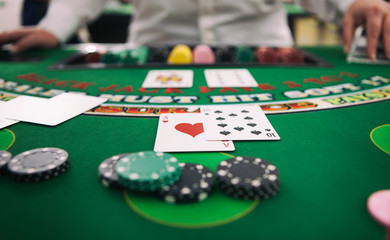
Incorporating strategy into gameplay not only enhances the player’s experience but also instills a sense of control amidst the uncertainty of gambling. When players understand the statistical probabilities associated with their choices, they can approach the game more rationally. This knowledge promotes better decision-making, as players are less likely to rely solely on luck and more inclined to utilize a calculated approach in their gambling endeavors. However, it is essential to recognize that even the most well-crafted strategies cannot eliminate luck’s inherent unpredictability, ensuring that chance remains a pivotal component of the gaming experience.
The delicate balance between strategy and luck in casino games defines the nature of gambling itself. While strategic reasoning can guide players and enhance their understanding of the game, it must coexist with the recognition that outcomes can change in an instant due to luck. This interplay ensures that every gaming session remains dynamic and unpredictable, reinforcing the excitement that draws players to casinos in the first place. By acknowledging both elements, players can cultivate a more enriching gambling experience that embraces the thrill of chance while making informed decisions.
Enhancing Your Gambling Experience Responsibly
Understanding the psychological aspects of luck in casino games can significantly enhance the overall gambling experience when approached responsibly. By recognizing the emotional and cognitive factors at play, players can maintain a balanced perspective and establish healthy boundaries. Educating oneself about the odds, potential outcomes, and personal triggers can foster a more mindful approach to gambling, ultimately reducing the risk of negative emotional consequences. This proactive stance can support players in enjoying their experiences without becoming overwhelmed by the emotional highs and lows that accompany gambling.
Moreover, being aware of the effects of emotions, superstitions, and the illusion of control empowers players to make informed choices. This insight can lead to healthier gambling habits, as individuals learn to separate their feelings of luck from the actual mechanics of the games. By fostering a culture of responsible gaming, players can enjoy the excitement that comes with casino games while managing the inherent risks associated with luck and chance. This balanced approach ensures that gambling remains a source of entertainment rather than a source of stress or regret.
Additionally, seeking out supportive communities or resources dedicated to responsible gambling can enhance players’ understanding of their behavior. Engaging with platforms that provide insights into the psychological aspects of gambling can help individuals navigate their experiences more effectively. By prioritizing responsible gambling practices, players can fully appreciate the thrill of chance while minimizing potential pitfalls, ensuring that their journeys through the world of casino games remain enjoyable and fulfilling.
